Zagreb - Europe's Quirkiest Capital?
We arrived in Zagreb without many expectations. We were roadtripping through Slovenia and Croatia, and figured we should spend a few days in the capital, you know, for the culture, before heading down Croatia’s famously beautiful coast for sunshine and beach time.
At first glance, the city looked a bit…understated. It didn’t feel dangerous or “gritty”, but it didn’t quite have that feeling of grandeur that many European capital cities love to show off. Of course, Zagreb had suffered an earthquake in 2020 that caused significant damage to the city, and rebuilding was still ongoing.
My impression didn’t improve much when we got to our Airbnb. While the apartment itself was perfectly nice, the entrance and shared areas felt a bit questionable. I started wondering whether this stop would be worth it, or if we’d regret not heading straight to the coast.
I admit, my first impression of the city was judgemental and unfair. Over a few days, the city definitely grew on me, and I learned that it has a special, quirky quality that makes it a unique place to visit.
Most European capital cities are characterized by their grand buildings and must-visit museums and monuments. Zagreb’s must-see sights are a little…different.
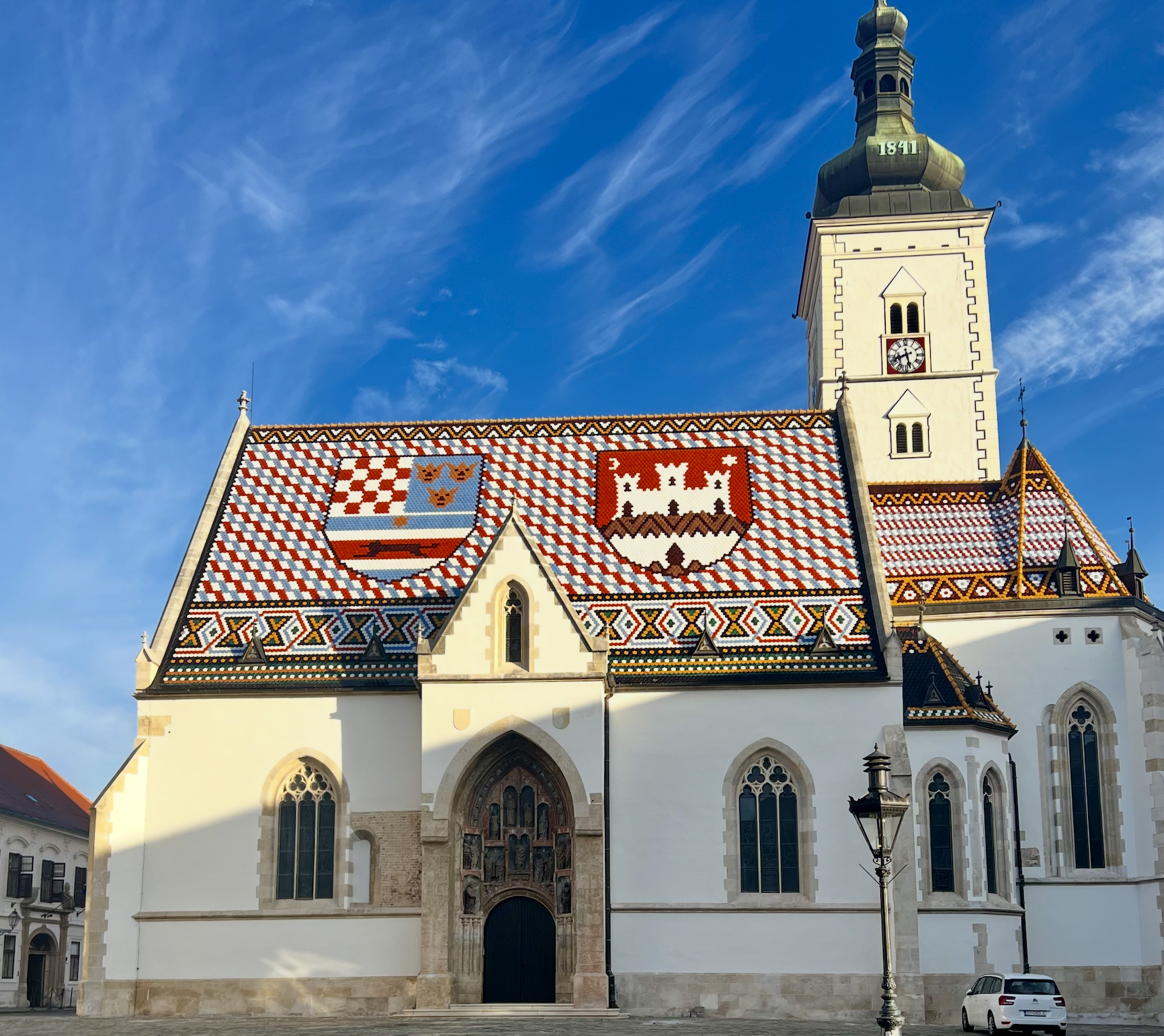
Probably the most visited sight in Zagreb is St. Mark’s Church. St. Mark’s is not an easily identifiable icon like Paris’ Notre Dame, nor is it a towering masterpiece like the Sagrada Familia. In fact, it’s rather small and, from the wrong angle, might not be recognizable at all. But tourists flock to this famous church to see its magnificently tiled roof.
We were lucky with our timing as the church has recently been fully restored post-earthquake, allowing us to see the tiles as intended. How exciting can a tiled roof be, you might be thinking? But there is something about it. The brightness of the colors, the mesmerizing pattern, and the way that when the light hits it just right, it almost sparkles.
Zagreb’s unexpected personality continues at the city’s most popular museum. No, it’s not an envied collection of art or antiquities; it’s the Museum of Broken Relationships. A museum filled with stories and artifacts of relationships that cease to exist. Whether the relationship ended in tragedy, ghosting, or even just a regular old breakup, its story can be told here.
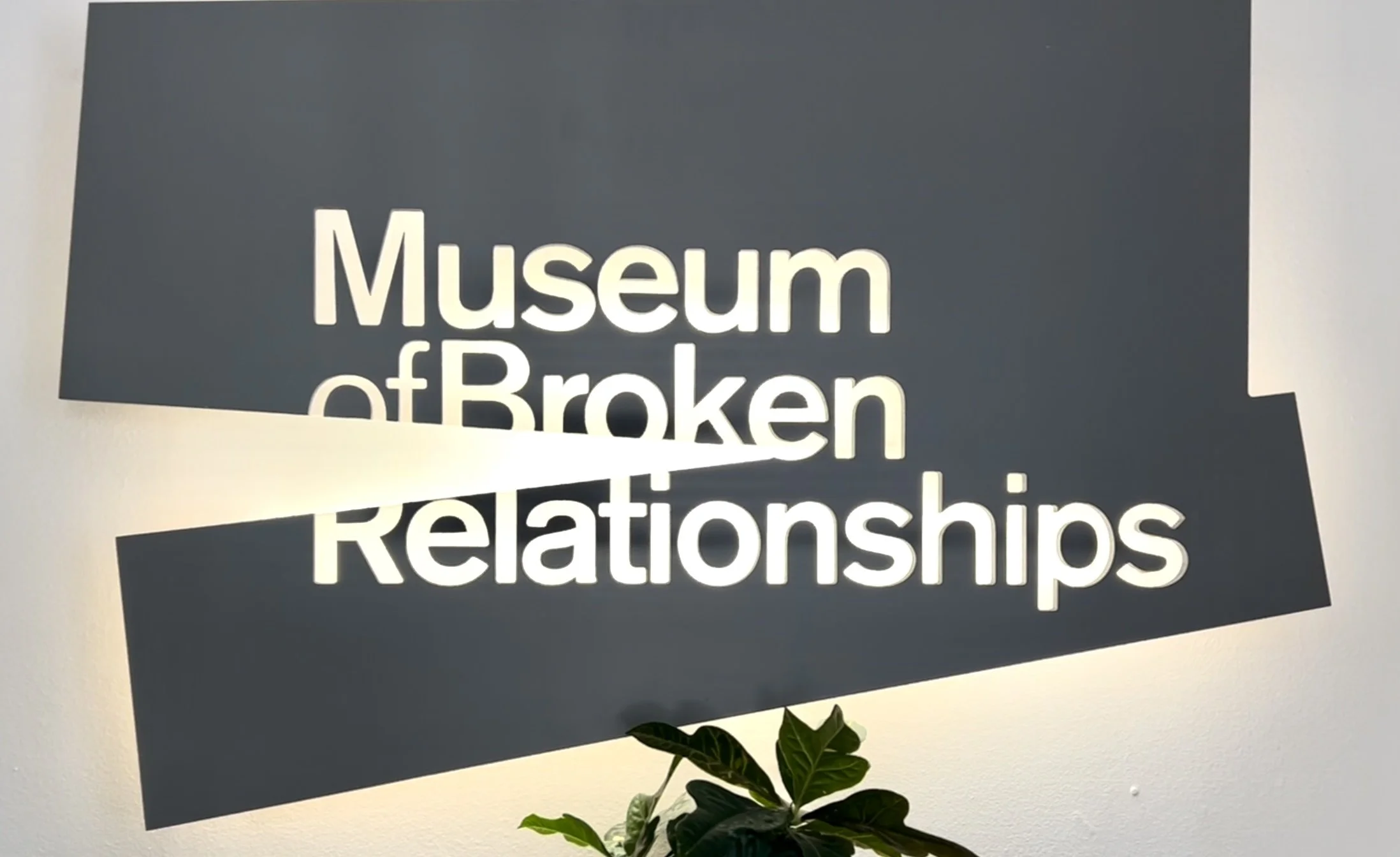
To be honest, I wasn’t sure about visiting this museum; I thought it might be a gimmick. But, in fact, it was eye-opening. The stories are varied; some sad, some funny, and some just plain odd. As with most museums, you’ll leave with a more nuanced perspective of the world, and perhaps even treasure your own relationships a bit more.
While walking around, I stumbled across another unusual museum, the Muzej Čokolade, a chocolate museum! Sure, this isn’t the only chocolate museum in the world, but it was well designed, and the experience was a lot of fun. Your ticket to the museum is actually a box of chocolates that corresponds to the various exhibits, and is meant to be eaten along the way! It was tasty and colorful, and honestly, I learned a lot too.

Some other unique Zagreb sights don’t require a ticket at all to see. For example, the world’s shortest funicular. At only 66 meters (217 ft), this 100+ year old mode of public transport whisks riders between Zagreb’s Upper and Lower Towns. Sure, you could just walk up the stairs, but why would you when this little marvel exists!?
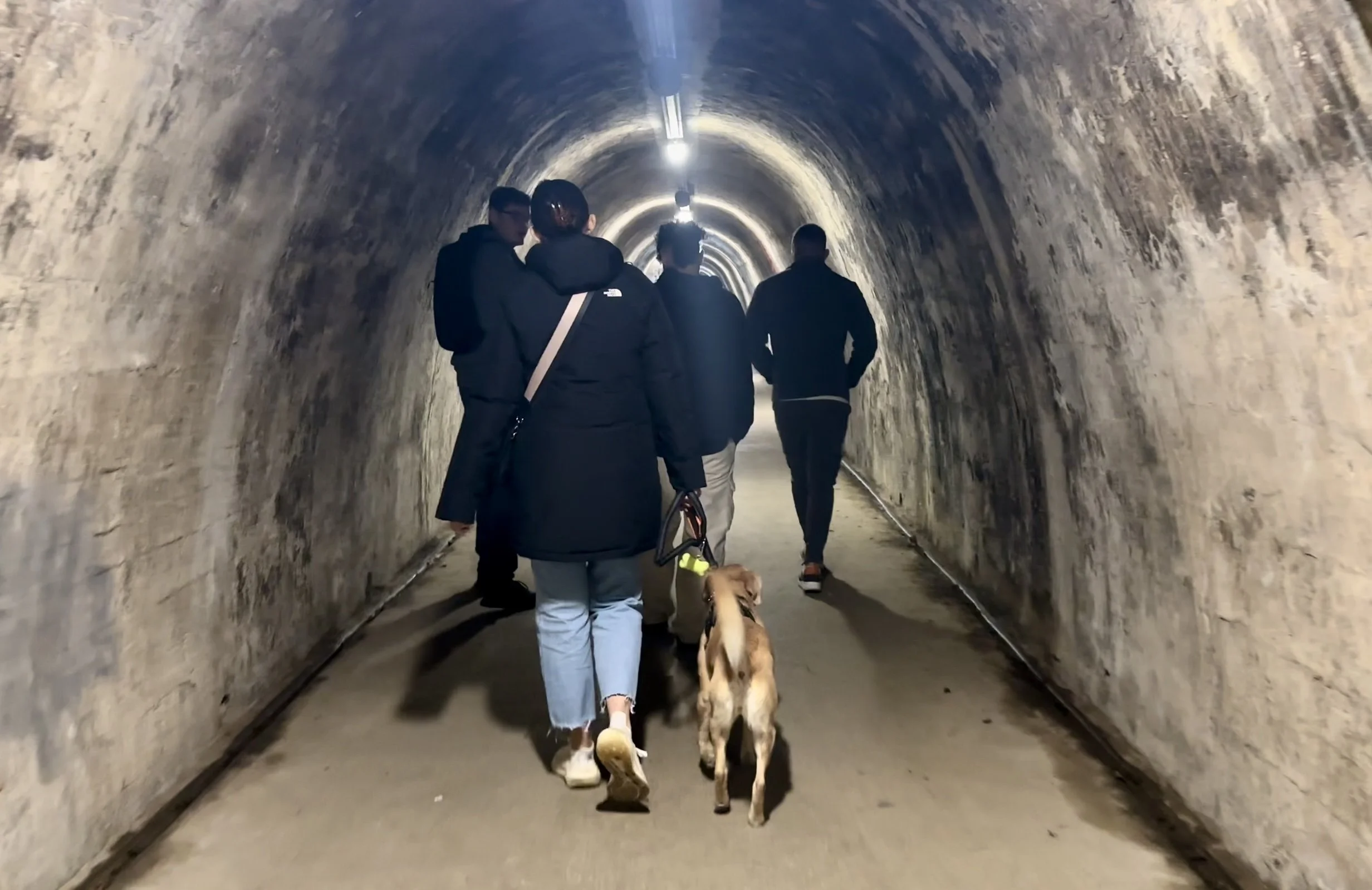
A walking tour introduced us to another unusual bit of Zagreb’s history, the Grič Tunnel. The tunnel was initially built as a bomb shelter during World War II. It wasn’t used much after that, until a massive underground rave was held there in 1993. These days, a Christmas Market sets up inside during the holidays, making it one of the most unique Christmas Market experiences in Europe (though I haven’t personally been during this time). This tunnel is another example of the offbeat and unusual history hiding behind otherwise unassuming parts of Zagreb.
Throughout the walking tour, our guide regaled us with numerous stories of legends and myths that have circulated throughout Zagreb for centuries. Some of the hits included a witch who haunts the city in the dark, and the story of St. George slaying the dragon that terrorized the city. It’s no wonder that a city with such legends has become such an interesting place.
Those with a keen eye might notice a few other oddities while wandering through the city: pieces of the Zagreb solar system, an art exhibit that is an actual replica of the Earth’s solar system, built to scale, spread throughout the city. The Sun and the planets closest to it (Mercury, Venus, Earth, and Mars) are the easiest to find in the central parts of Zagreb. But if you want to venture out a bit, you can track down the entire universe.
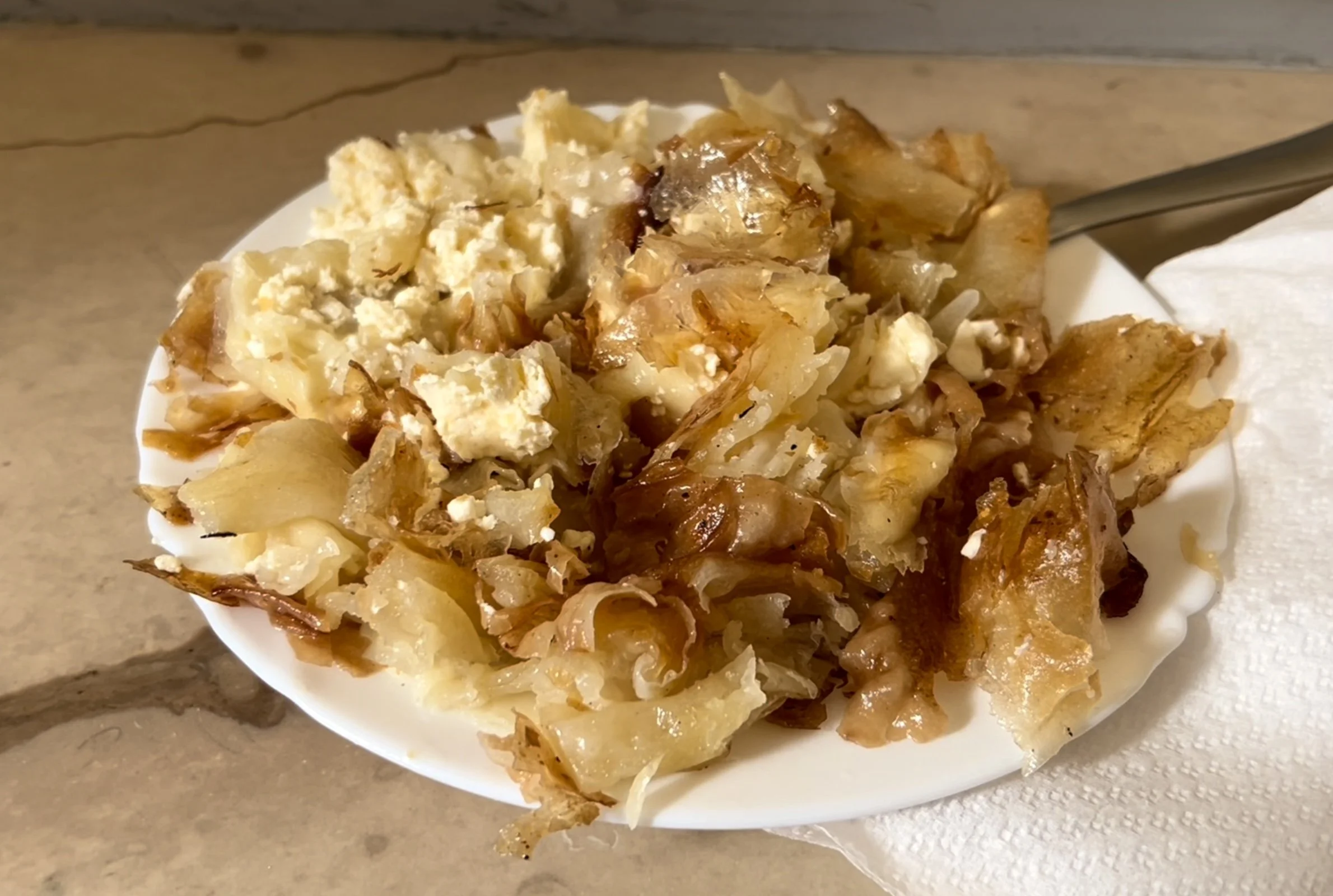
Of course, every country has its traditional dishes, but in Zagreb, the tradition and pride surrounding burek takes this to another level entirely. I’ve eaten a ton of burek on my trips to Turkey, and was not aware that it was such a big deal in Croatia. We were told that many Croatians actually eat burek on a daily basis! And, the YouTube video I dared to make about this historic dish is probably the most controversial bit of content I have ever created. I had no idea just how passionately people feel about the history and origins of burek.
Zagreb may not reveal itself at first glance, but it is full of treasures. After a few days, I started to see the city in a different light, and, honestly, felt a bit ashamed of my initial impressions. Zagreb takes a bit of unraveling, but once you put in the effort, you will have pulled back the curtain to a city that’s full of quirks and character.
